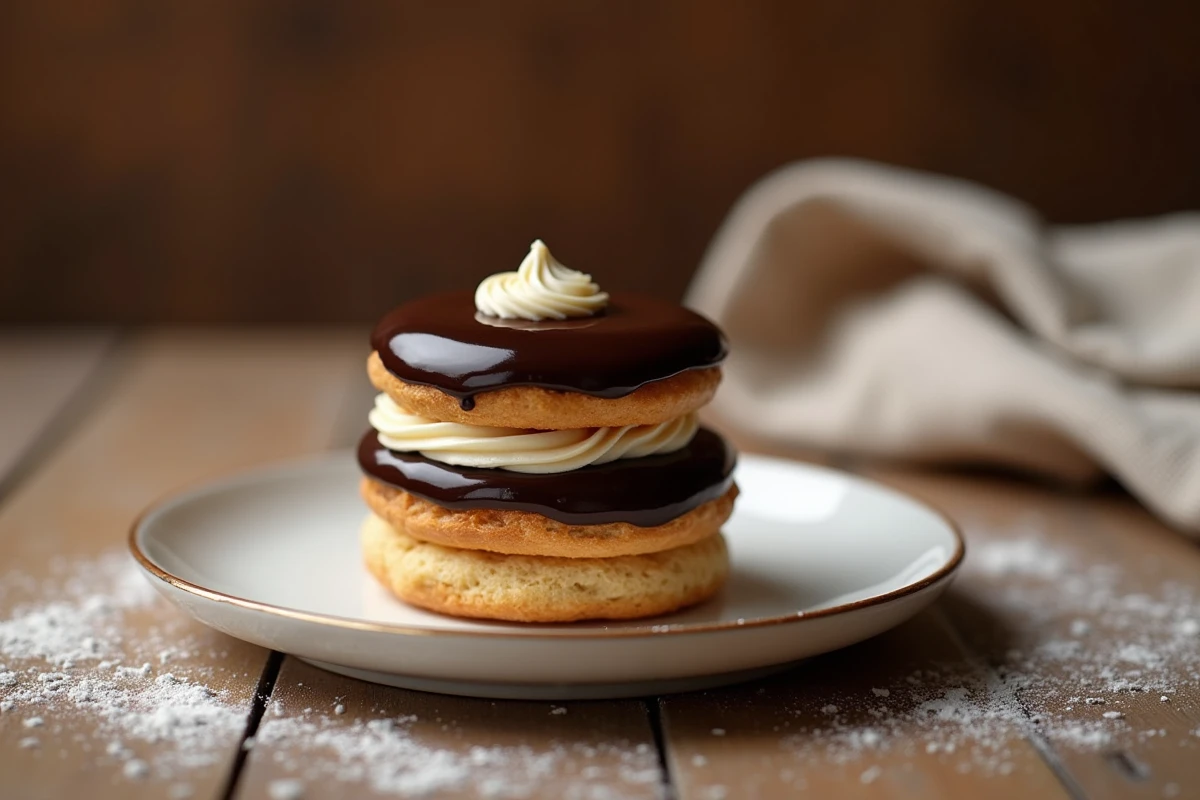
When receiving a box of frozen cream puffs or taking a batch out of the lab, the first thing we check, even before the visual aspect, is the consistency of the weight. A chocolate cream puff that is too light indicates insufficient filling, while one that is too heavy cuts into the margin on ingredients. This parameter, often reduced to a line on a technical sheet, actually determines the selling price, nutritional compliance, and customer perception in the display case.
Specifications for Collectivities and Weight Limits
The GEM-RCN recommendations (2021 update) govern pastries made from choux pastry and cream served in school catering. The goal: to limit the intake of sugars and fats per serving. Several local authorities, in their specifications from 2022 to 2024, have translated these recommendations into weight limits of around 80 to 100 g maximum for desserts like éclairs or cream puffs.
This constraint has a direct effect on the laboratories and workshops supplying the cafeterias. A “collective catering” cream puff is not made the same way as a display cream puff. The bottom choux is calibrated smaller, the volume of chocolate pastry cream is reduced, and the fondant glaze is measured to the gram. When we talk about the weight of a chocolate cream puff in a bakery, we are also talking about the final destination of the product.
An artisan responding to a cafeteria tender must provide a technical sheet with the exact unit weight, the list of ingredients, and allergens. The industrial frozen product Bon&Engagé, for example, lists a piece at 90 g for a box of 24 pieces. This format perfectly matches the upper range tolerated by local authorities.

Weight of a Chocolate Cream Puff: What Varies Between Artisan and Industrial
In artisanal bakeries, the chocolate cream puff does not have a standardized weight. The weight depends on the diameter of the choux, the volume of pastry cream, and the thickness of the glaze. An artisan who pushes the filling to stand out in the display will produce a piece that is noticeably heavier than a colleague who prioritizes the crunchiness of the choux.
The components that affect the weight:
- The choux pastry itself, with or without craquelin. A craquelin adds a few grams of butter and sugar on the surface but mainly alters the perceived texture.
- The chocolate pastry cream, which represents the heaviest part of the cream puff. A dark chocolate with 50% cocoa (like that used in industrial technical sheets) is denser than a light cream whipped with coffee.
- The buttercream that binds the two choux, often underestimated in weight but can represent nearly one-tenth of the finished piece.
- The chocolate fondant glaze, applied in a thicker or thinner layer depending on the method (quick dipping or spread with a spatula).
On the industrial side, the technical sheet for the frozen product Bon&Engagé details the distribution: chocolate pastry cream representing about half of the product, pure butter choux pastry making up just under a third, with chocolate glaze and plain buttercream completing the whole. This distribution is fixed to ensure consistency from one batch to another, which the artisan cannot (and does not seek to) replicate.
Weight as a Price Lever in Bakery-Pastry
The price of a chocolate cream puff is not set solely based on the quality of the ingredients. The weight of the finished piece determines the actual cost of materials, and this is where the margin is made.
Material Costs and Recipe Trade-offs
Butter, free-range eggs, Belgian chocolate: these ingredients have a fluctuating price per kilo. Reducing the weight of a cream puff by a few grams per piece on a production of several dozen per day generates measurable savings at the end of the month. Some artisans adjust the diameter of the piping tip for the bottom choux rather than compromising on the quality of the chocolate.
Psychological Pricing in the Display Case
A cream puff sold at a round “acceptable” price for the customer implies a calibrated weight. If the piece becomes too large, the price must follow, and the customer hesitates. If it is too small, the perception of value collapses. It is observed that bakeries that perform well find a balance between visual volume (the height of the piece, the generous appearance of the buttercream) and actual weight.
Feedback varies on this point: some artisans prefer a substantial piece at a higher price, while others bet on a compact format at an entry price. The response depends on the local clientele and the positioning of the shop.
Chocolate or Coffee Cream Puff: Does the Weight Change Depending on the Flavor?
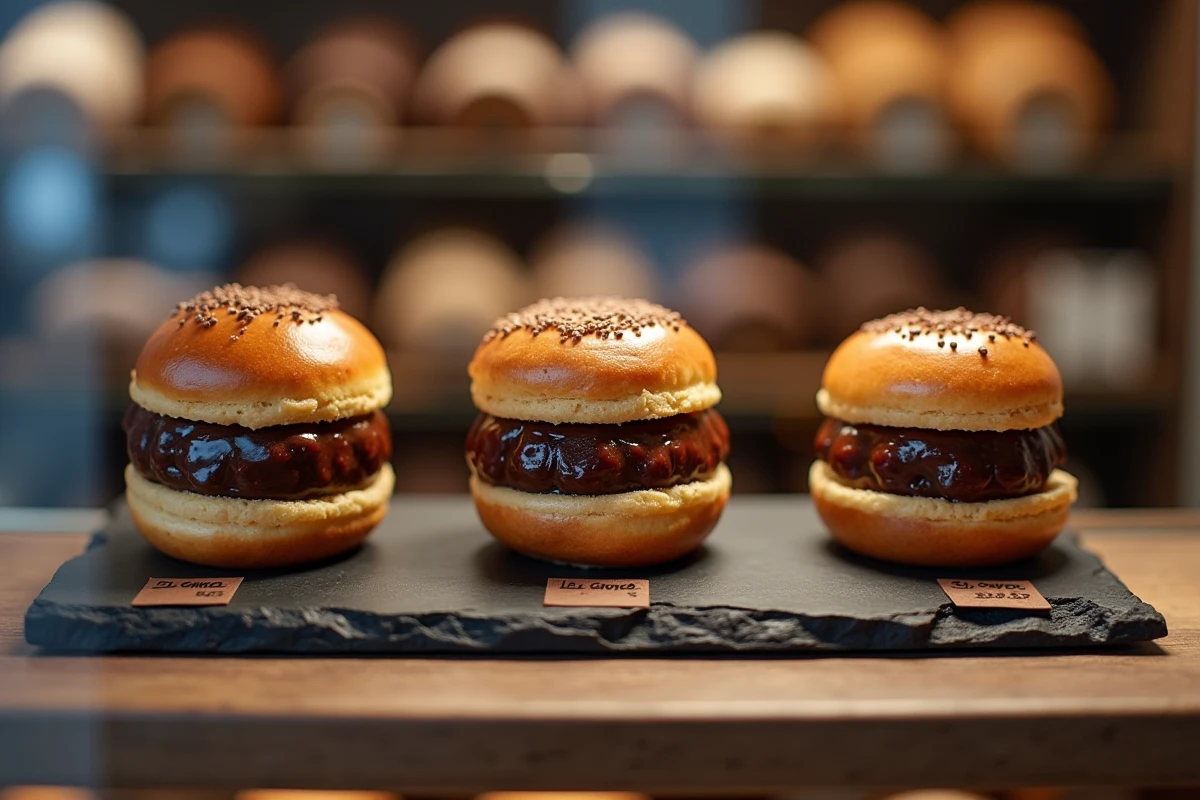
This question comes up often. With the same choux pastry recipe, it is the filling that creates the weight difference. The chocolate pastry cream, rich in cocoa and sometimes melted chocolate, is denser than a coffee cream. The difference remains modest for a single piece but accumulates over a full production.
The glaze also plays a role: a chocolate fondant tends to be applied in a slightly thicker layer than a coffee fondant because the brown color better masks the irregularities of the choux. The pastry chef therefore puts a little more on, sometimes without thinking about it.
In the display case, the chocolate cream puff often appears “richer” than its coffee version. This is not just an impression: the density of the raw materials used (cocoa paste, cocoa butter, whey in industrial preparations) contributes to a final weight slightly higher for the same flavor.
The weight of a chocolate cream puff is therefore not a fixed number that can be read on a universal label. It is a technical parameter that each workshop, each laboratory, each bakery-pastry calibrates according to its constraints: material costs, product destination, sales format, and customer expectations. The next time one is picked up, we will know what this weight signifies.